Belt Conveyors 101: How They Move Bulk Materials Efficiently
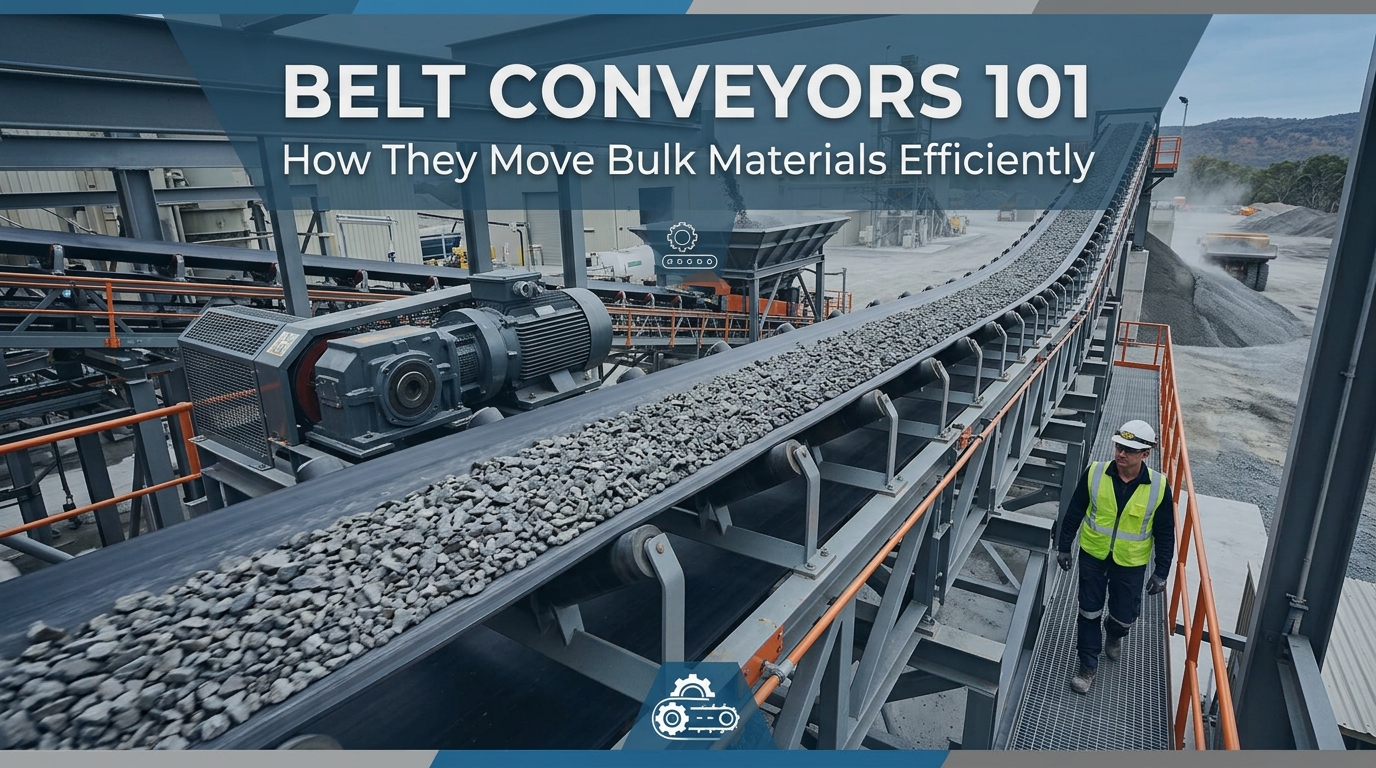
Belt conveyors are some
of the most common types of material handling systems that companies rely on
whenever they need to move bulk materials within their plants. Their
simplicity, versatility, and capability to transfer materials over short or
long distances make them useful in all kinds of industries ranging from
manufacturing, mining, agriculture, food processing, recycling, and others.
The various types of
products can be conveyed using a particular belt conveyor depending on the
needs of the manufacturing company. Therefore, knowledge about the working
principle of belt conveyors, their major components, and their configurations
is essential when choosing Belt Conveyor Solutions.
What Are Belt Conveyors?
A belt conveyor system is defined as a type of conveying mechanism that uses a moving belt as a means of transporting material from one place to another.
Material is usually loaded on the belt at one point and then moved to a discharge point. Belt conveyors can either move material horizontally, in an inclined position, or over varied elevations, depending on what the material handling job calls for.
The continuous conveyor belt allows such conveyors to convey all manner of materials.
A typical belt conveyor may include:
- Conveyor belt
- Drive pulley
- Tail pulley
- Idler rollers
- Conveyor frame
- Drive motor and gearbox
- Belt tensioning system
- Loading and discharge points
- Safety guarding and controls
The exact design varies according to material characteristics, required capacity, conveyor length, operating environment, and facility layout.
How Do Belt Conveyors Move Bulk Materials?
The main working process
of a belt conveyor is not that complicated. The motor rotates the pulley, which
rotates the conveyor belt through the conveyor frame.
Materials are loaded onto
the moving belt at the loading station. Then, the belt transports the materials
towards the discharge station where they are discharged into the hopper, bin,
machine, truck, or even another conveyor.
This movement makes the
belt conveyor ideal for applications requiring constant flow of material.
For instance, in the
manufacturing facility, the conveyor will transport the raw materials from the
storage unit to the processing machines. On the mining site, it will move the
mined materials over long distances. Belt systems are used to transport grains and
other bulk materials in agricultural industries.
Key Components of Belt Conveyors
Understanding the main components can make it easier to evaluate different Belt Conveyor Solutions.
Belt
It is the major component used to carry the materials on the conveyor. Belt material and construction will depend on the nature of the task at hand. Factors such as heat, wear and tear, moisture, material weight, and exposure to chemicals can be some of the considerations when selecting the belt material.
Drive Pulley
It helps transfer energy
from the motor and gearbox to the belt. The design of the drive pulley and its
surface can help determine how effective the operation of the conveyor will be.
Idlers
They help in carrying the
belt together with the material load. The idlers can be designed in several
ways.
Motor and Gearbox
The power source
generates the energy needed to rotate the belt and its load. The specifications
of the motor and gearbox will depend on the factors like belt speed, belt
length, material weight, and working environment.
Frame of Conveyor
This is used to provide support to all the conveyor parts and ensure proper alignment. It can be designed in several ways.
Why Are Belt Conveyors Efficient?
Continuous Operation of
the Material
A belt conveyor is
capable of providing continuous material movement because there is no need to
lift the material manually or perform additional handling actions; instead, a
belt conveyor can move material between the designated points continuously.
Among other advantages of
using Belt Conveyors, it is worth mentioning such as:
Continuous Material Flow
The belt conveyor system
is able to provide a steady flow of material, which reduces the number of
breaks during the manufacturing process.
Long-Distance Transportation
The belt conveyor system
is able to provide long-distance transportation of materials, depending on its
design.
Flexible Layout
The belt conveyor system
can be configured for use in any direction, including horizontal and inclined
directions.
High Capacity
With proper engineering,
the conveyor can provide high capacity.
Automation
Modern belt conveyor systems can be automated with the help of control devices and other sensors.
Heavy Duty Belt Conveyors for Demanding Applications
There are materials that
put a lot more strain on conveying equipment than others. Materials that are
heavy, abrasive, sharp, or high-volume may call for the use of Heavy-Duty Belt
Conveyors.
Heavy-duty conveying
systems are usually designed using better structural parts, suitable belts,
better drives, and other heavy-duty components that can handle harsh working
conditions.
Industrial sectors such
as mining, aggregates, recycling, and bulk handling may need heavy-duty conveying
systems since the equipment may operate under harsh conditions.
However, the objective
here is not to simply design a strong conveyor. The whole conveying system
needs to be designed properly according to the material, volume, duty cycles,
and environmental factors.
Custom Belt Conveyors for Specialized Applications
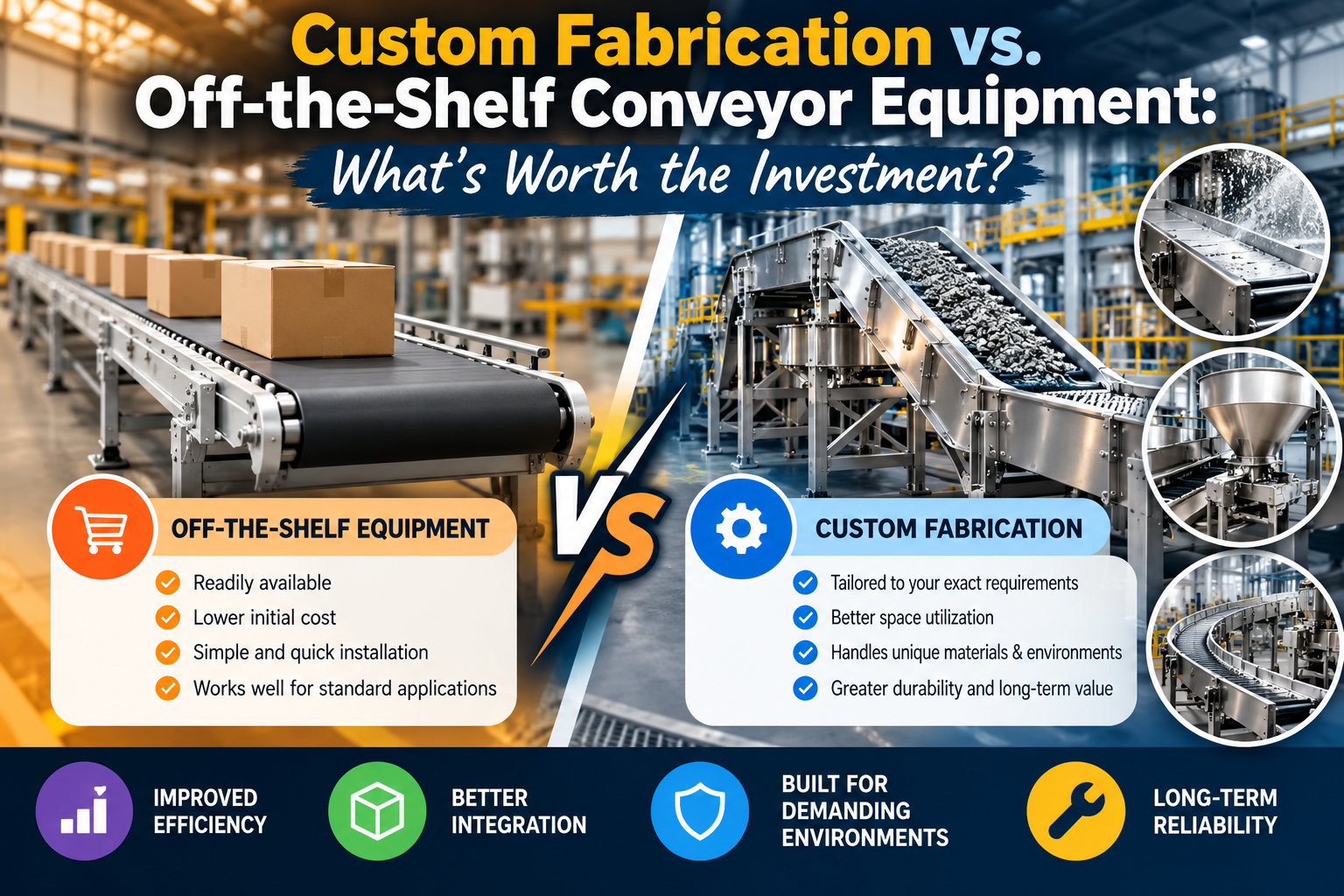
Standard conveyor configurations may not always fit every facility or production process. Custom Belt Conveyors can be designed to address unusual dimensions, material characteristics, capacity requirements, or layout constraints.
Customization may involve:
- Conveyor length and width
- Belt specifications
- Frame configuration
- Incline or decline
- Loading and discharge arrangements
- Drive configuration
- Specialized belt surfaces
- Safety features
- Integration with existing equipment
A custom approach can be particularly valuable when a conveyor must connect multiple pieces of equipment or operate within a facility with limited available space.
Selecting a Belt Conveyor Manufacturer
Choosing the right Belt Conveyor Manufacturer is an important part of the equipment selection process. A capable manufacturer should understand both the mechanical requirements of the conveyor and the material-handling challenges associated with the application.
Before selecting a system, consider the following questions:
What material will be conveyed?
Determine whether the material is heavy, abrasive, wet, sticky, dusty, fragile,
or free-flowing.
What capacity is required?
Establish the expected material flow rate so the conveyor can be appropriately
sized.
How far must the material travel?
Conveyor length influences belt selection, drive requirements, support
structure, and overall design.
Will the conveyor operate horizontally or at an incline?
Inclined conveying may require additional consideration for belt traction,
material retention, and loading.
What are the environmental conditions?
Temperature, moisture, dust, chemicals, and outdoor exposure can affect
conveyor components and materials.
Working with an experienced manufacturer can help ensure these factors are addressed during the design process.
Belt Conveyor Installation and Maintenance
Belt Conveyor
Installation is Important for Proper Functioning of the Conveyor. There are
chances of problems developing even in a properly designed conveyor due to
misalignment of parts and improper tensioning of the belt.
The conveyor installation
needs to be done with proper alignment of the frame, pulleys, idlers, and drive
system. In addition, the belt needs to be installed with proper tensioning and
tracking.
Maintenance is also
necessary for the operation of the conveyor. Operators need to check belts,
idlers, pulleys, bearings, fasteners, and drive systems from time to time to
avoid unexpected failures.
Cleaning is also
important in some cases.
Finding the Right Belt Conveyor Solutions
Belt Conveyor Solutions
that work best are the ones that suit your needs, not universal solutions.
An appropriately chosen
conveyor needs to meet all your criteria, such as capacity, speed, conveyor
length, material properties, surroundings, maintenance needs, and the space you
have.
A basic material transfer
can be accomplished using an ordinary belt conveyor, while more complicated
projects might need a Heavy-Duty Belt Conveyor or even a Custom Belt Conveyor.
Conclusion
Belt Conveyors offer an efficient means of moving bulk material within various industrial plants through their continuous running capabilities, capacity, flexibility, and combination with other machinery.
Each element in a Belt Conveyor, from the selection of the proper belt and drive to the Belt Conveyor Installation, should be viewed as a component of the whole conveying process. Heavy-duty Belt Conveyors will be a requirement for firms dealing with bulk or abrasive materials, while some specific configurations will demand a customized belt conveyor system.
By working with an experienced belt conveying equipment supplier
or Belt Conveyor Manufacturer, businesses can develop BeltConveyor Solutions that are properly matched to their materials,
facility, production goals, and operating conditions.
Ready to Upgrade Your Material Handling?
Stop letting inefficient material movement slow down your operation. The right belt conveyor can improve material flow, reduce unnecessary handling, and keep your production process moving smoothly.
Whether you need a heavy-duty belt conveyor, custom conveyor system, or complete belt conveyor solution, the right design starts with understanding your material, capacity, layout, and operating conditions.
Let’s build a conveyor solution that works for your operation not a one-size-fits-all system.
👉 Contact our team today to discuss your belt conveyor requirements and find the right solution for your facility.