Custom Conveyor System Installation: What to Expect from Start to Finish
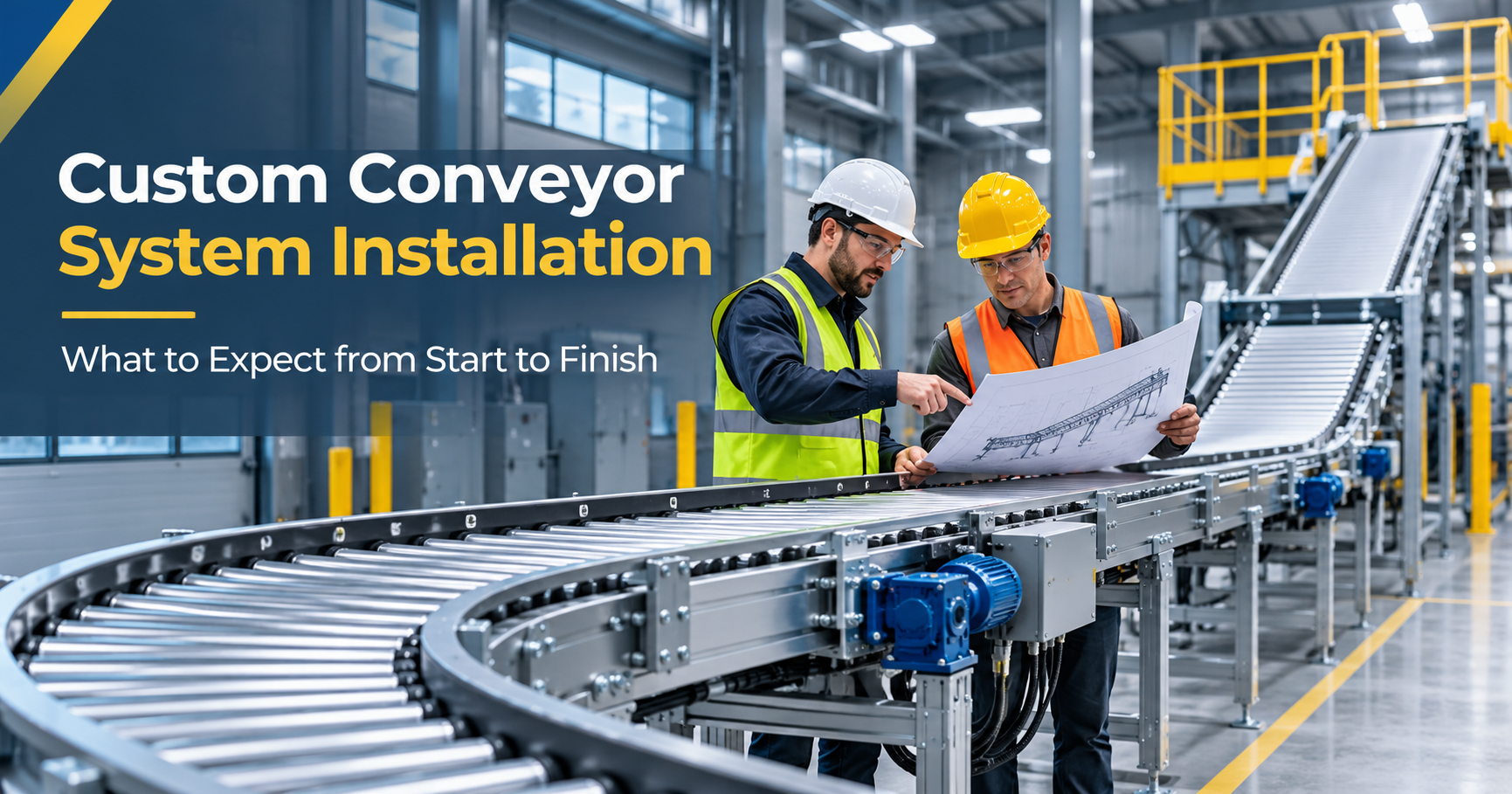
The installation of a custom conveyor system is a major undertaking for any facility that needs to handle bulk materials effectively. Whether you move powders, aggregates, agricultural materials, chemicals, or any other type of industrial material, the right conveyor system can go a long way toward streamlining your operations and ensuring proper material flow.
However, the installation of a Conveyor System entails more than just positioning and hooking up the machine to a power source. It calls for planning, equipment selection, team coordination, and testing prior to the actual use of the system.
It is critical for facility managers to be aware of all the stages involved in installing a conveyor system in order to be better prepared. Below is the process involved in installing a custom conveyor system.
1. Initial Assessment and Project Planning
A good conveyor installation always begins with understanding the application. Before design or installation of any equipment, the manufacturer and plant personnel must determine how the material will flow in the plant.
Issues to be considered include the nature of the material, throughput capacity, conveying distance, elevation change, floor space available, and interaction with other equipment in the plant.
For instance, a plant operating with abrasive bulk solids may not use the same conveyor components and wear parts as a plant using light powders. Likewise, an installation with no headroom may not have the same arrangement as that with a lot of floor space.
Other issues to consider include installation restrictions, access areas, utilities, and disruptions to ongoing operations.
2. Selecting the Right Custom Conveyor System
Once the needs of the application are known, the next process is determining what conveying technology should be used.
There are a number of conveyor designs for different applications:
- • Belt conveyors – can be used to carry any number of bulk materials either horizontally or at an angle.
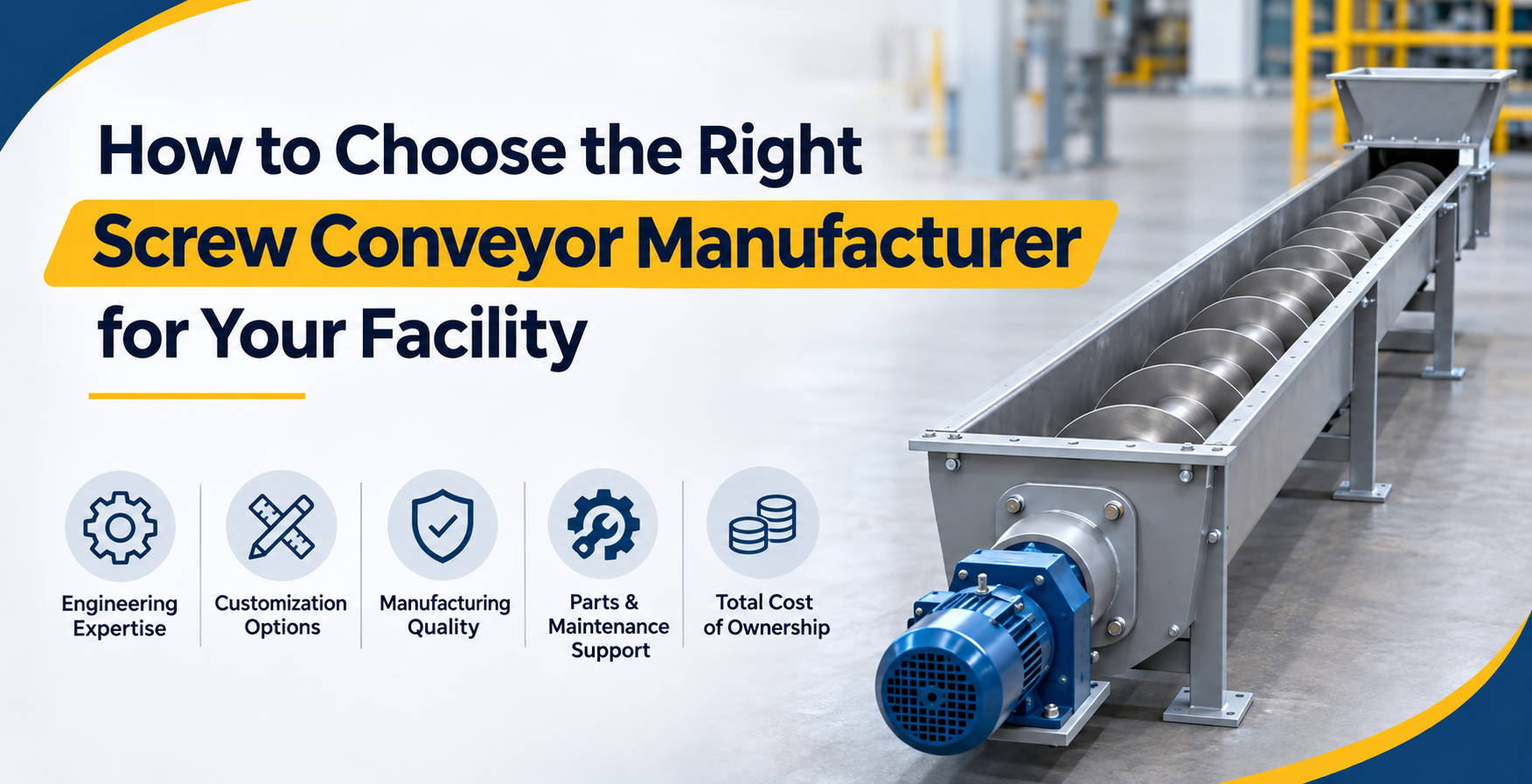
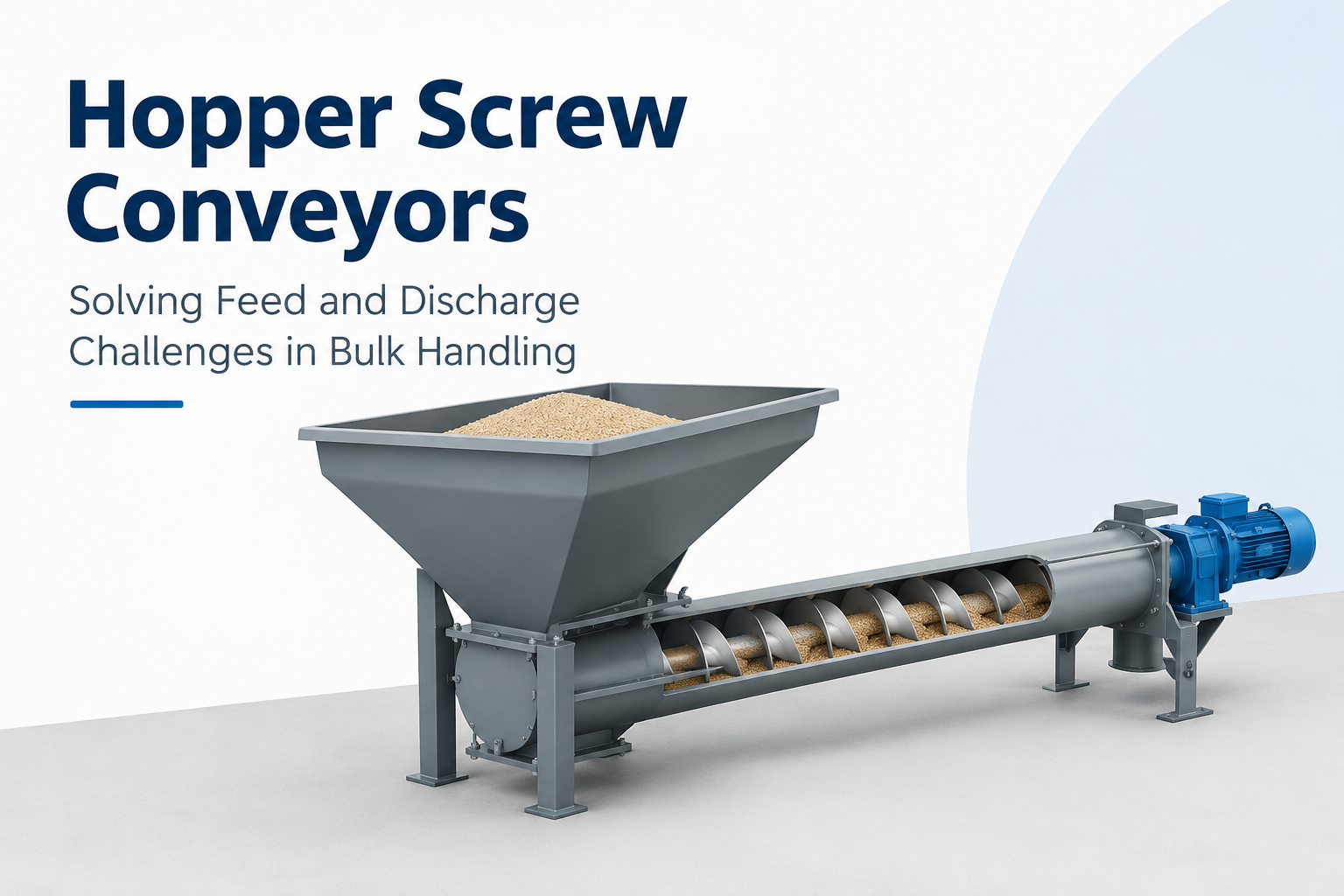
- • Screw conveyors - are used to convey powders, granulars, and bulk materials in a controlled manner.
- • Drag conveyors - Enclosed conveyor systems using chain and flights.
- • Bucket elevators - Vertical conveyor systems for moving bulk materials.
- • Shaftless screw conveyors – for some sticky, stringy, or tough materials.
The right choice will depend on the material, volume, layout, and process environment.
Conveyors Inc. has a wide range of industrial conveyor systems and bulk material handling solutions. The choice of equipment will determine a system that fits in with the rest of the processing line.
3. Engineering and Custom Design
Tailor-made conveyors will sometimes need unique engineering because of structure and machine interfaces and material flow specifications.
The design phase is when the manufacturer establishes the dimensions of the conveyor and the drive, support systems, loading and unloading stations, and many other details specific to the application.
The design may also include a hopper, chute, transition, gate, guard, and other accessories necessary to complete the material handling system.
If the plant is using a combination of different conveyors, there may be an additional need for coordination between the pieces of equipment.
Inadequate transfer points and capacities will create material backups.
Examining the design prior to fabrication will minimize problems during installation.
4. Site Preparation Before Installation
Site preparation for the installation is a vital step in ensuring the timely execution of the project.
Depending on the equipment being installed and the existing facility, site preparation could involve creating foundations, checking structural support points, clearing access points, verifying electrical requirements, and preparation of mounting areas.
It will also be necessary to have enough room for unloading, positioning, and assembly of the conveyor components.
Preparation of other things could include preparation of lifting equipment, contractor schedules, obtaining necessary permits, and taking into account the ongoing production activities.
Before starting the process, the safety measures must be put in place at the facility. It is important to isolate the equipment that is connected to the existing machinery if necessary, and electrical and mechanical work should only be done by qualified personnel.
5. Belt Conveyor Installation
Belt Conveyor Installation demands close consideration of aspects such as alignment, positioning of structure, pulleys, belt tension, and drive arrangement.
The structure on which the belt is mounted has to be positioned according to the design. The alignment of the pulleys, idlers, and other components will also have to be taken care of in order to avoid tracking issues and wear.
After mounting the belt, the crew needs to check the tension and tracking of the belt, followed by performing an operational test. If the belt has incorrect tension or poor alignment, then it may lead to wearing out of the belt itself and spillage of material.
Alignment of the complete belt conveying system is necessary, since a belt conveyor may cover large distances. Even though the components may be aligned, yet, they may cause tracking issues during operation.
6. Shaftless Conveyor Installation
Installation of a shaftless conveyor should take into account the conveyor trough, screw design, clearances, support arrangement, and drive arrangement.
The choice of shaftless screw conveyors is based on the application where the materials to be conveyed could get wrapped around the shaft of a normal conveyor or create build-up when being conveyed. This does not make it any less important for the equipment to be fitted as per the material to be conveyed.
When installing the conveyor, the trough parts need to be put in place properly. The screw needs to be fitted as per the manufacturer's guide with proper clearances and support arrangement.
In addition, the inlet and outlet points need to line up with other equipment for continuous conveyance of materials.
Once the machine has been put together, the installer needs to check whether the drive is working as expected and whether the screw works as intended.
7. System Integration and Safety Checks
A conveyor system usually doesn’t run on its own. It could link to feeder systems, hoppers, bins, processing equipment, or even other conveyors.
Prior to startup, the design team must make sure that the components are working as they were supposed to.
Some of the things that should be checked would be drive connections, control systems, emergency stop, guarding, interlock devices, and points of material transfer. The process sequence should be verified to ensure that machines start and stop as required.
Finally, it should also be confirmed that operators and maintenance staff can access certain areas without risking contact with moving components.
8. Testing and Commissioning
Commissioning confirms that the installed equipment performs based on its design criteria.
This usually starts with inspections and, when necessary, testing under no-load conditions. The team inspects motor functioning, unusual noises, vibrations, alignment of parts, and other mechanical issues.
Testing under load conditions checks how the conveyor deals with the desired material. In accordance with the intended use, the team evaluates the throughput, discharging pattern, belt positioning, material accumulation, and overall efficiency of the system.
If any issues are found during the testing, make necessary adjustments before starting production. Also, operators must be informed of the normal operating procedure, inspection, and maintenance schedule of the equipment.
9. Ongoing Maintenance After Installation
Installation of the conveyor system marks the beginning of its working life.
Maintenance serves to detect any wear and emerging mechanical issues before they lead to unexpected machine failure. Maintenance tasks depend on the equipment type and can include inspection of the bearings, inspection of drives and couplings, inspection of the belt, lubrication, inspection of the screw flights, or wear liners.
The maintenance program should take into account the recommendations of the manufacturer, conditions of operation, and properties of the material being transported.
Documentation of the maintenance procedures can serve to highlight repetitive issues.
Conclusion
The Success of Conveyor System Installation relies on planning, engineering for specific applications, correct site preparation, correct assembly, and finally commissioning.
No matter if your project is a Belt Conveyor Installation, Shaftless Conveyor Installation, or even a completely integrated material handling system, every one of these phases plays a role in the reliable operation of the system.
Conveyors Inc. produces industrial conveying systems and offers custom solutions for bulk materials based on the specifics of applications. By dealing with an experienced supplier and preparing for all installation phases, plants can ensure better coordination of the project and a reliable basis for material handling processes.
Are you considering installing a custom conveyor? First of all, it's important to define the properties of your material, needed capacities, layout of your facility, and other requirements.
Need a Custom Conveyor System for Your Facility?
Don’t let the wrong conveyor design slow down your operation.
Whether you're planning a new installation, expanding an existing production line, or replacing outdated equipment, Conveyors Inc. can help you develop a custom bulk material handling solution designed around your material, capacity, layout, and operating requirements.
Tell us what you need. We’ll help you find the right solution.
👉 [Request Your Free Conveyor Quote]
Custom Equipment. Application-Specific Engineering. Reliable Material Handling.
Talk to Conveyors Inc. today and take the next step toward a conveyor system built for your operation.