How to Choose the Right Bulk Material Handling Equipment
Since 1974, Conveyors Inc. has been a trusted leader in value-added conveying equipment and exceptional service. When it comes to bulk material handling, selecting the right equipment doesn’t have to be overwhelming—but it does require careful consideration of several key factors. The right choice ensures that your material moves efficiently, safely, and effectively for the intended application.
Below are the key factors to consider when making your decision:
1. Capacity
One of the first factors is capacity—how much material needs to be conveyed and at what rate.
Capacity includes:
- Conveyor throughput in cubic feet per hour
- Maximum particle size of the bulk material
- Type and condition of the material (dry, wet, sticky, free-flowing, etc.)
By defining these parameters, you ensure your industrial conveyor system is built to handle the load without reducing performance.
2. Angle of Conveying
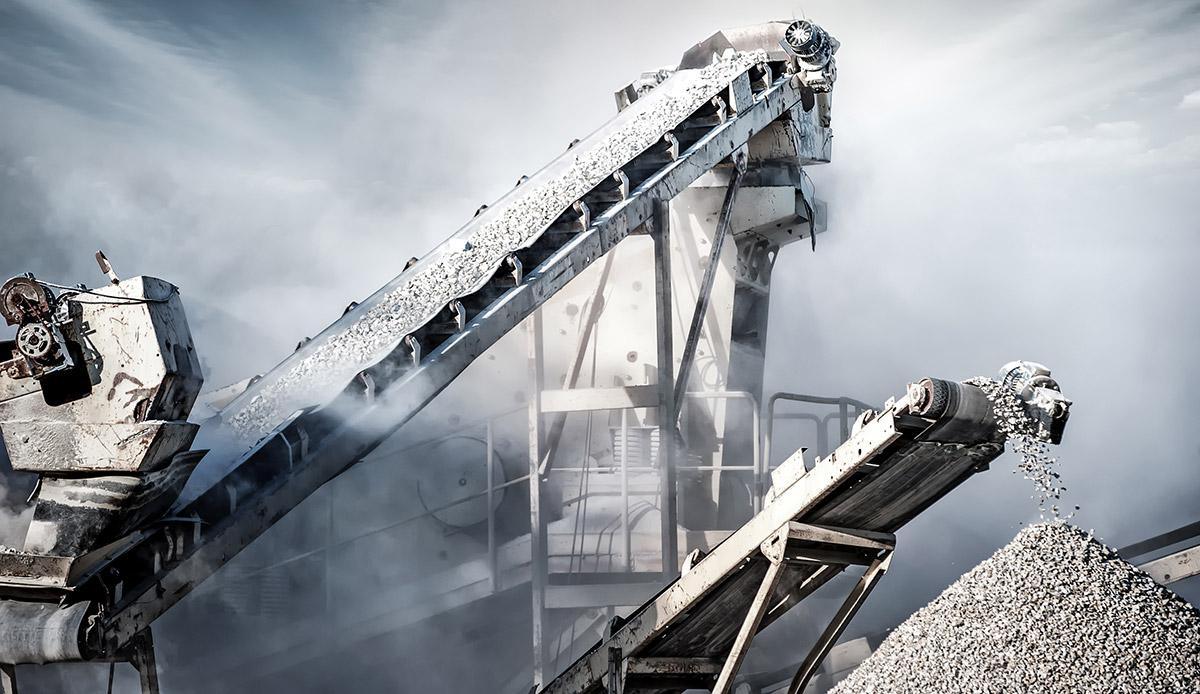
If your application requires vertical or inclined conveying, the angle of operation plays a critical role. Keep in mind: Capacity decreases as the incline angle increases the design of the conveyor must be tailored to the required movement.

3. Length of Travel
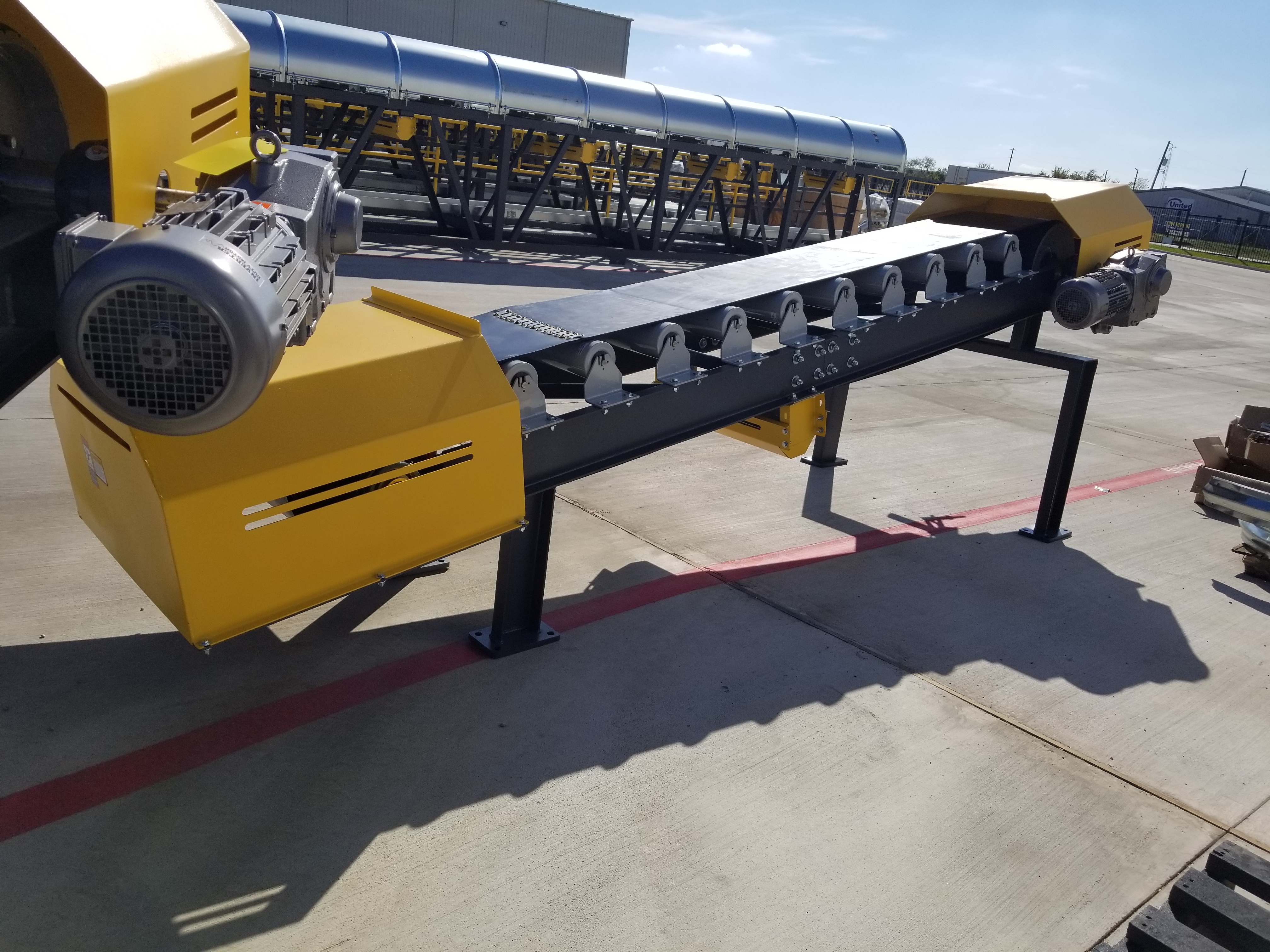
The distance your material must move directly impacts conveyor selection. Long runs may require:
- Additional power
- Extra support
- Specialized conveyor designs to maintain efficiency
4. Loading Method
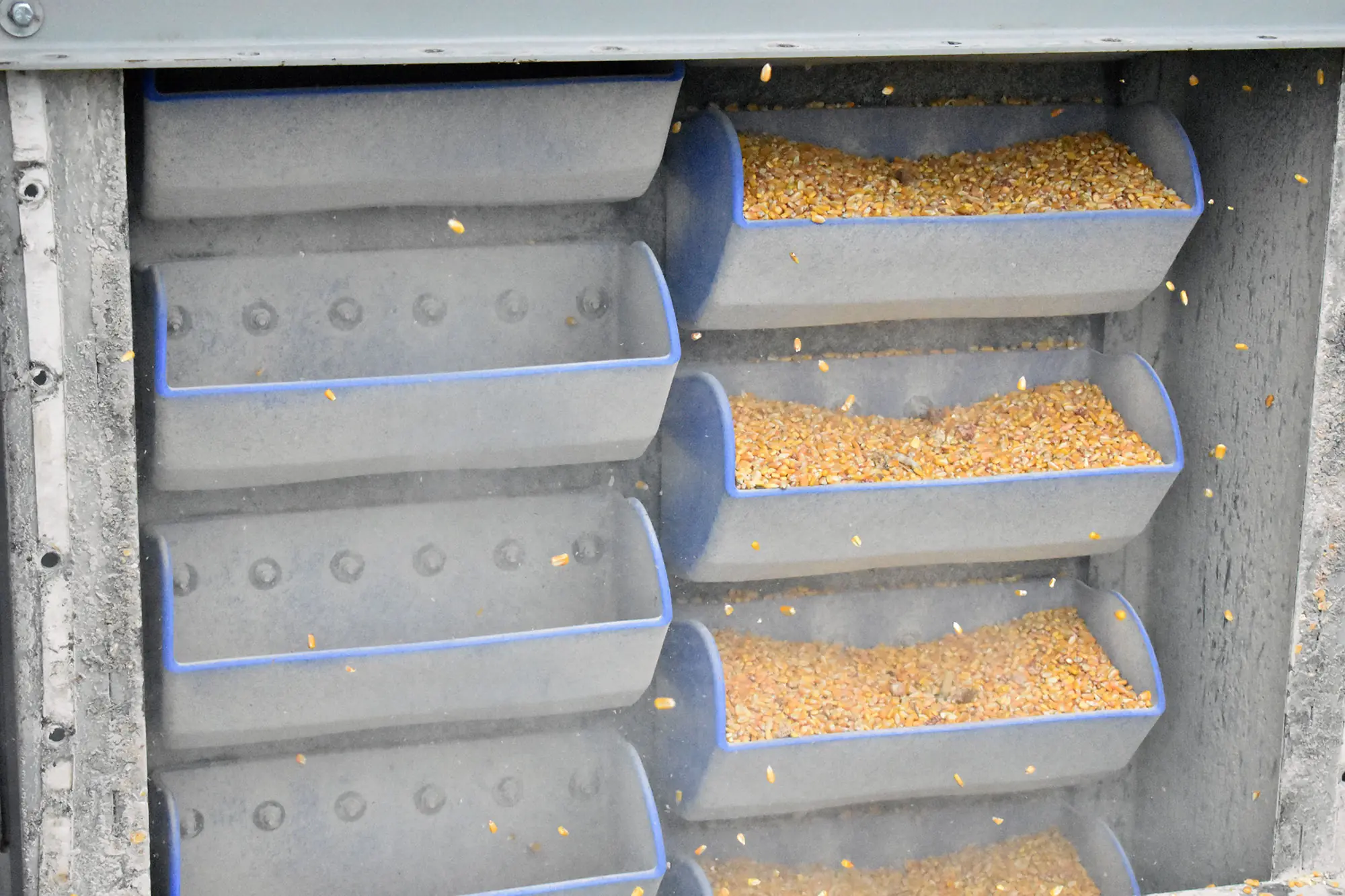
The way bulk material enters your conveyor system affects wear, spillage, and the overall performance of the system. Standard loading solutions include:
- Bucket Elevators
- Hoppers
- Rotary Airlocks
- Screw Feeders
- Customized feeding systems (shown in figure A)

5. Material Characteristics
Bulk materials vary in consistency and behavior. Properties such as density, abrasiveness, size, and flowability determine how they interact with efficient conveyor systems. Understanding these material traits ensures the right design and durability.

6. Environmental Factors
In addition to material properties, consider environmental or operational conditions, including:
- Flammability
- Dust generation
- Corrosiveness
- Stickiness or adhesion
These factors may necessitate the use of specialized bulk material handling equipment to ensure safety and reliability.
Final Thoughts
Selecting the right bulk material handling solution involves evaluating factors such as capacity, material type, angle, distance, and loading method. By carefully weighing these elements, you can significantly improve operational efficiency while extending the life of your equipment. At Conveyors Inc., we’ve been designing and manufacturing industrial conveyors since 1974. Our applications team is here to help engineer the most efficient conveyor system for your unique material handling needs. Contact us today for a complimentary assessment and discover how we can help keep your operations running smoothly.