Drag Conveyors Explained: How Chain Drag Systems Handle Heavy-Duty Bulk Material
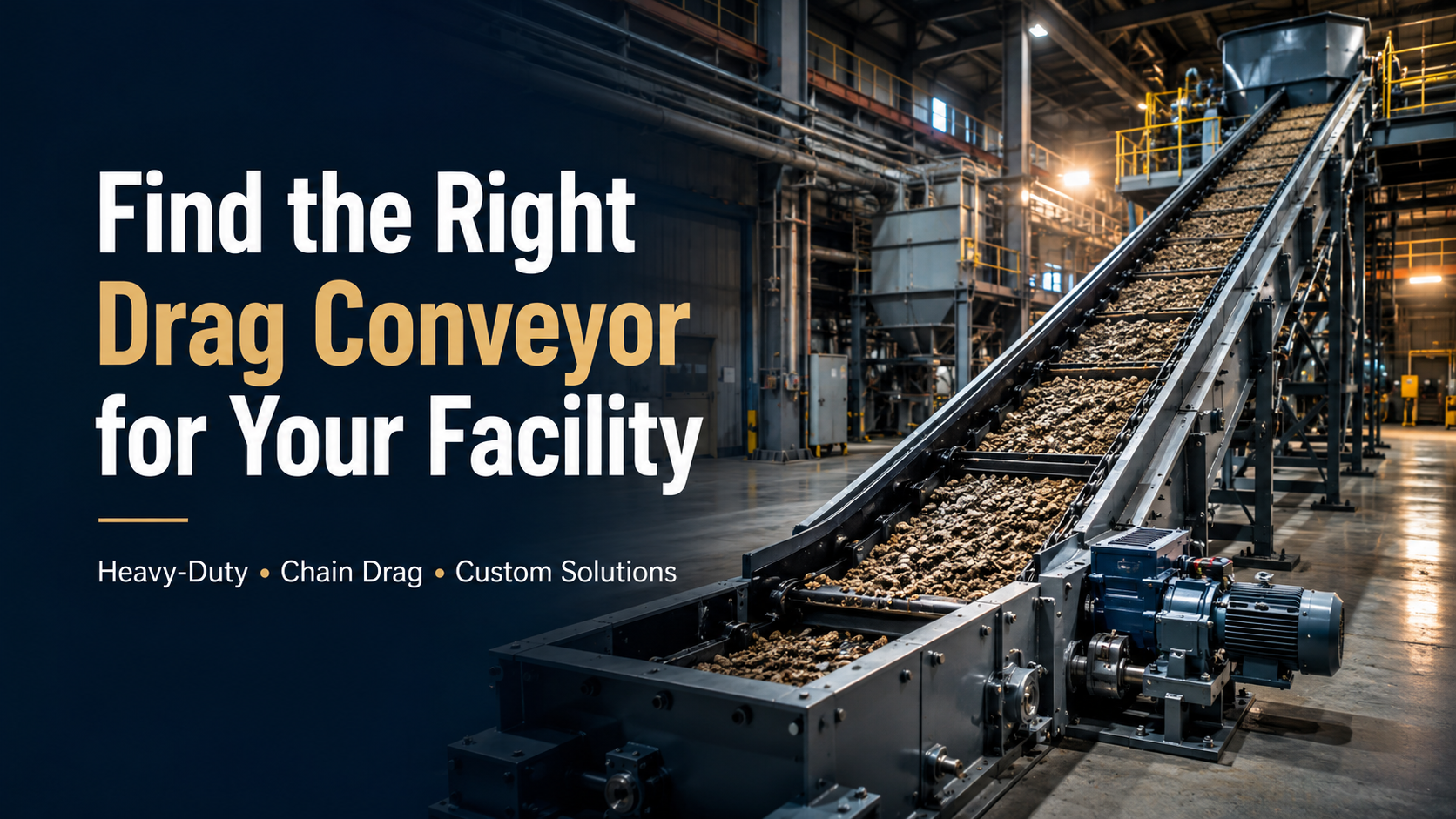
Transporting heavy and abrasive bulk material calls for conveying equipment that can perform reliably and endure rugged conditions. This is the reason why Drag Conveyors have become one of the preferred options at several industrial facilities; their enclosed chain-type construction enables transport of bulk materials effectively, even under extreme conditions.
Unlike belt conveyors that rely on a recurring belt for carrying materials, drag conveyors drag or push material along the conveyor using a chain and flights to ensure that contained materials are properly carried and processed.
Drag conveyors can be applied in several industries, from agriculture and biomass processing to mining and manufacturing, thus requiring the ability to provide flexibility in meeting different requirements in terms of materials processing. If facility managers understand the operation of these systems and possible applications, they can choose the best option among the existing conveying solutions.
What Are Drag Conveyors?
Drag conveyors are types of mechanical bulk material handling conveyors that employ a chain having flights, paddles, or any other attachments for the movement of material inside an enclosed trough or housing.
The flights contact the material and drag it along as the chain moves. The material is loaded into the system at an inlet and moves towards a particular discharge point.
Being enclosed, drag conveyors become very useful if facilities want to control dust, protect material from the surrounding environment, or reduce material exposure during transportation.
A typical drag conveyor includes:
- Conveyor chain
- Flights or paddles
- Conveyor housing
- Drive sprocket
- Tail sprocket
- Drive motor and gearbox
- Chain tensioning system
- Inlet and discharge points
- Structural supports
- Safety guarding
The exact design depends on the material, capacity, conveyor length, operating conditions, and facility layout.
How Does a Chain Drag Conveyor Work?
The Chain Drag Conveyor is designed to work on the basis of a closed-loop chain that runs in the conveyor housing. Flights mounted on the chain contact the bulk material and pull it towards the discharge point.
The motor drives the chain through the drive sprocket. The motion of the chain results in movement of the material in the bottom of the conveyor housing.
When the material arrives at the discharge point, it is possible for the conveyor design to let the material out through the discharge opening. The chain and flights continue their course to the return path.
Thus, this rather simple mechanism makes it possible to convey substantial amounts of bulk material in an enclosed manner.
Why Are Drag Conveyors Used for Heavy-Duty Materials?
A key advantage of the drag conveyor system is that it is able to process harsh industrial materials.
The heavy or abrasive materials may be detrimental to the conveyance equipment. However, with an efficient design of the drag system, it will be able to withstand tough conditions.
Heavy-duty drag conveyors are commonly considered for materials such as:
- Coal
- Biomass
- Wood chips
- Ash
- Grain
- Aggregates
- Minerals
- Industrial byproducts
- Bulk waste materials
The appropriate conveyor design depends on the material's density, particle size, abrasiveness, moisture content, temperature, and flow characteristics.
Advantages of Heavy Duty Drag Conveyors
There are several reasons industrial facilities choose drag conveyor technology for bulk material handling.
1. Enclosed Material Handling
The enclosed housing can help contain dust and reduce material exposure. This can be especially useful when conveying dusty or potentially messy bulk materials.
2. Durable Construction
Heavy-duty systems can be engineered with robust components designed for continuous industrial operation.
3. Effective Bulk Material Transport
The chain and flight arrangement allows drag conveyors to move substantial volumes of bulk material through a controlled path.
4. Flexible Installation
Depending on the application, drag conveyors can be configured for horizontal or inclined conveying and can be integrated with other material-handling equipment.
5. Multiple Inlet and Discharge Options
Certain drag conveyor designs can accommodate multiple loading and discharge points, which can make them useful in complex plant layouts.
Industrial Drag Conveyors: Common Applications
Industrial Drag Conveyors are used in a variety of industries where bulk material movement is an important part of production.
Agriculture and Grain Handling
Agricultural facilities can use drag conveyors to move grain, feed ingredients, and other bulk products. Enclosed construction can help protect the material and reduce spillage.
Biomass and Wood Processing
Wood chips, sawdust, biomass fuel, and similar materials can be challenging to convey because of their irregular shape and varying density. Drag systems can provide a robust solution for moving these materials.
Mining and Minerals
Mining and mineral-processing applications may involve heavy and abrasive materials. Properly designed heavy-duty drag conveyors can be used to transfer these materials between processing stages.
Power Generation
Some power plants use drag conveyors to transport ash and other solid byproducts. These applications may require equipment capable of operating reliably under high-temperature and abrasive conditions.
Manufacturing
Industrial manufacturing facilities may use drag conveyors to move production byproducts, raw materials, and other bulk products between different stages of a process.
Chain Drag Conveyor vs. Belt Conveyor
Drag conveyors and belt conveyors can both transport bulk materials, but their operating principles and application strengths differ.
A belt conveyor uses a continuous belt to carry material, while a Chain Drag Conveyor uses a chain and flights to pull material through an enclosed housing.
Drag conveyors can be advantageous when:
- Enclosed conveying is preferred.
- The material is heavy or abrasive.
- Dust containment is important.
- A compact conveying arrangement is needed.
- The application requires a rugged conveying mechanism.
Belt conveyors may be preferable for certain long-distance or high-capacity applications where the material can be effectively carried on a belt.
The right choice depends on the complete application rather than one technology being universally better.
Custom Drag Conveyors for Specialized Applications
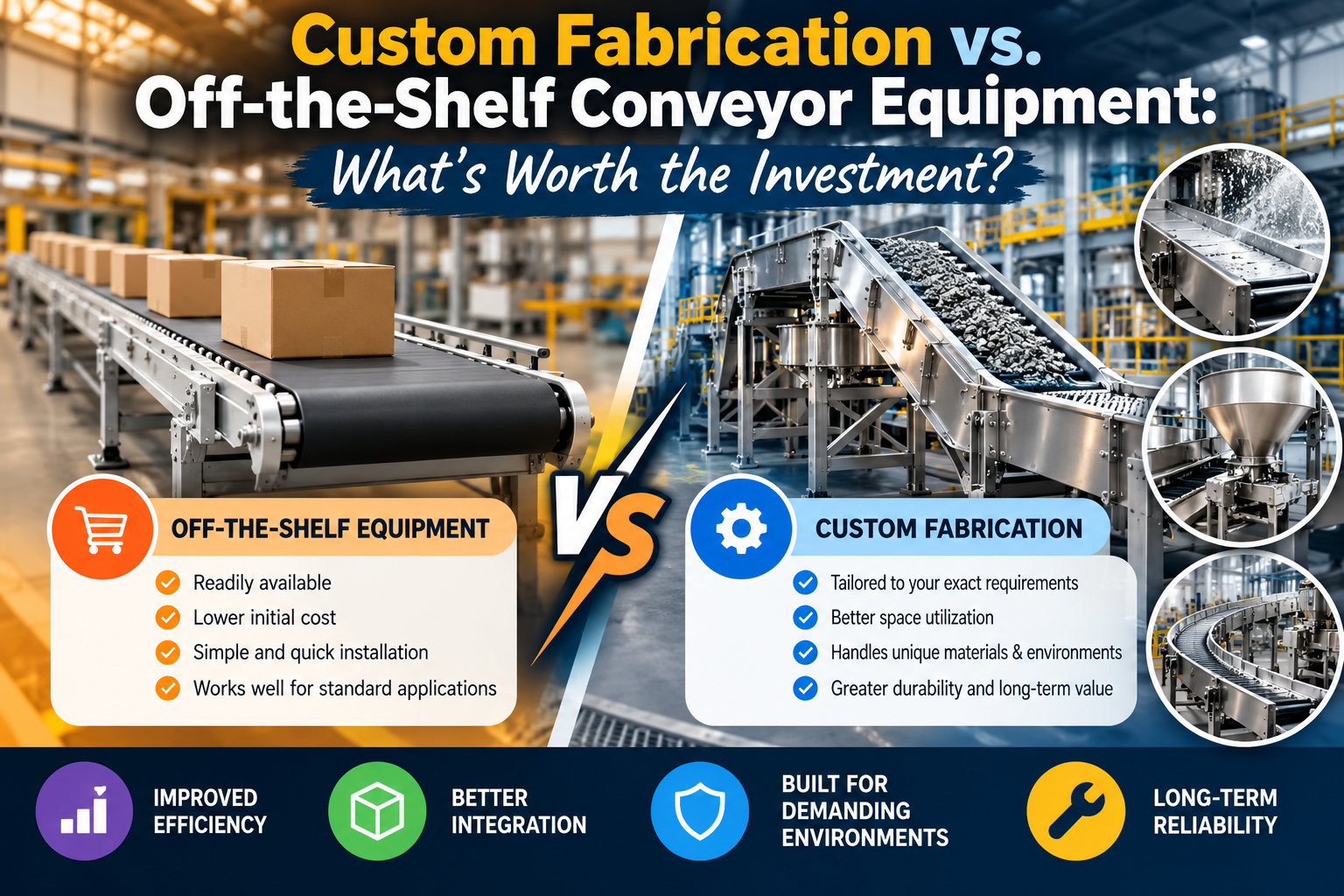
Standard conveyor equipment may not always match a facility's requirements. Custom DragConveyors can be engineered around specific material characteristics, capacity requirements, building layouts, and integration needs.
Customization may involve:
- Conveyor length
- Housing dimensions
- Chain and flight configuration
- Inlet locations
- Discharge locations
- Drive arrangement
- Construction materials
- Wear-resistant components
- Incline angle
- Specialized safety features
For example, a facility may need a conveyor to fit beneath existing equipment or connect several processing stages. A custom design can account for these physical and operational constraints.
Choosing a Drag Conveyor Manufacturer
Selecting an experienced Drag Conveyor Manufacturer is an important step when planning an industrial material-handling system.
The manufacturer should evaluate more than the required conveyor dimensions. Material properties, throughput, temperature, abrasiveness, conveying distance, duty cycle, and environmental conditions all influence the appropriate design.
Before choosing a system, consider:
Material Type
Identify whether the material is abrasive, sticky, wet, dry, hot, corrosive, or free-flowing.
Capacity
Determine the required material throughput. Conveyor capacity affects chain size, flight configuration, conveyor dimensions, and drive requirements.
Conveyor Length
Longer conveyors may require additional structural support, specialized chain arrangements, and appropriately sized drive systems.
Inclination
If material needs to move upward, the conveyor must be designed to account for the additional load and material-retention requirements.
Operating Environment
Dust, heat, moisture, chemicals, and outdoor conditions can influence component selection and construction materials.
An experienced manufacturer can use these factors to develop equipment that is properly matched to the application.
Maintenance of Drag Conveyor Systems
Like all mechanical conveying equipment, drag conveyors require routine maintenance. Regular inspections can help identify wear before it causes unexpected downtime.
Important areas to monitor include:
- Chain wear
- Flight condition
- Sprockets
- Bearings
- Drive components
- Chain tension
- Conveyor housing
- Fasteners
- Material buildup
Lubrication and tensioning should be performed according to the equipment manufacturer's recommendations. The conveyor should also be inspected for unusual noise, vibration, material leakage, or changes in operating performance.
Preventive maintenance can help extend component life and reduce the risk of unplanned production interruptions.
Safety Considerations
Because drag conveyors contain moving chains, flights, and drive components, appropriate safety measures are essential.
Conveyors should be equipped with suitable guarding around hazardous moving parts, and operators should follow established lockout/tagout procedures before performing maintenance or entering restricted areas.
Emergency stops, inspection access, warning labels, and other safety provisions should be incorporated into the overall system design where appropriate.
A qualified conveyor manufacturer can help identify application-specific safety considerations during the design and installation process.
When Should You Choose a Drag Conveyor?
A drag conveyor may be an appropriate choice when a facility needs a durable, enclosed system for moving bulk materials through an industrial environment.
Consider a drag conveyor when:
- Material is heavy or abrasive.
- Dust containment is important.
- Enclosed conveying is preferred.
- The facility requires a robust bulk-handling system.
- Multiple loading or discharge points are needed.
- The conveyor must integrate with other industrial equipment.
- A custom configuration is required.
For specialized applications, Custom Drag Conveyors can provide greater flexibility than standard equipment.
Conclusion
The Drag Conveyors offer an effective way to transport abrasive and difficult-to-move bulk products. Thanks to its chain and flight design, the material will be conveyed by the Drag Conveyor through the enclosed housing of the system.
In case the material should be contained and the Drag Conveyor should operate in harsh conditions, the Chain Drag Conveyor can prove helpful. The Heavy Duty Drag Conveyors can be built to operate in abrasive conditions, while for cases when facilities have a unique layout and specific demands, the Custom Drag Conveyors can be used.
The selection of equipment starts with the identification of the product, its throughput, Drag Conveyor design, operating environment, and plant layout. With the help of an experienced Drag Conveyor Manufacturer, you will manage to create an industrial conveying system that will ensure reliable material conveyance.
Ready to Find the Right Drag Conveyor for Your Facility?
Choosing the right conveyor system can improve material handling efficiency, reliability, and long-term performance. Whether you need a heavy-duty drag conveyor, chain drag conveyor, or custom conveying solution, the right design starts with understanding your material, capacity, layout, and operating conditions.
Need a conveyor built around your specific application? Talk to an experienced conveyor manufacturer about your requirements and explore a solution designed for your facility.
Contact us today to discuss your drag conveyor needs and find the right solution for your operation.