Conveyors for Mining Operations: Handling Heavy-Duty, Abrasive Bulk Materials
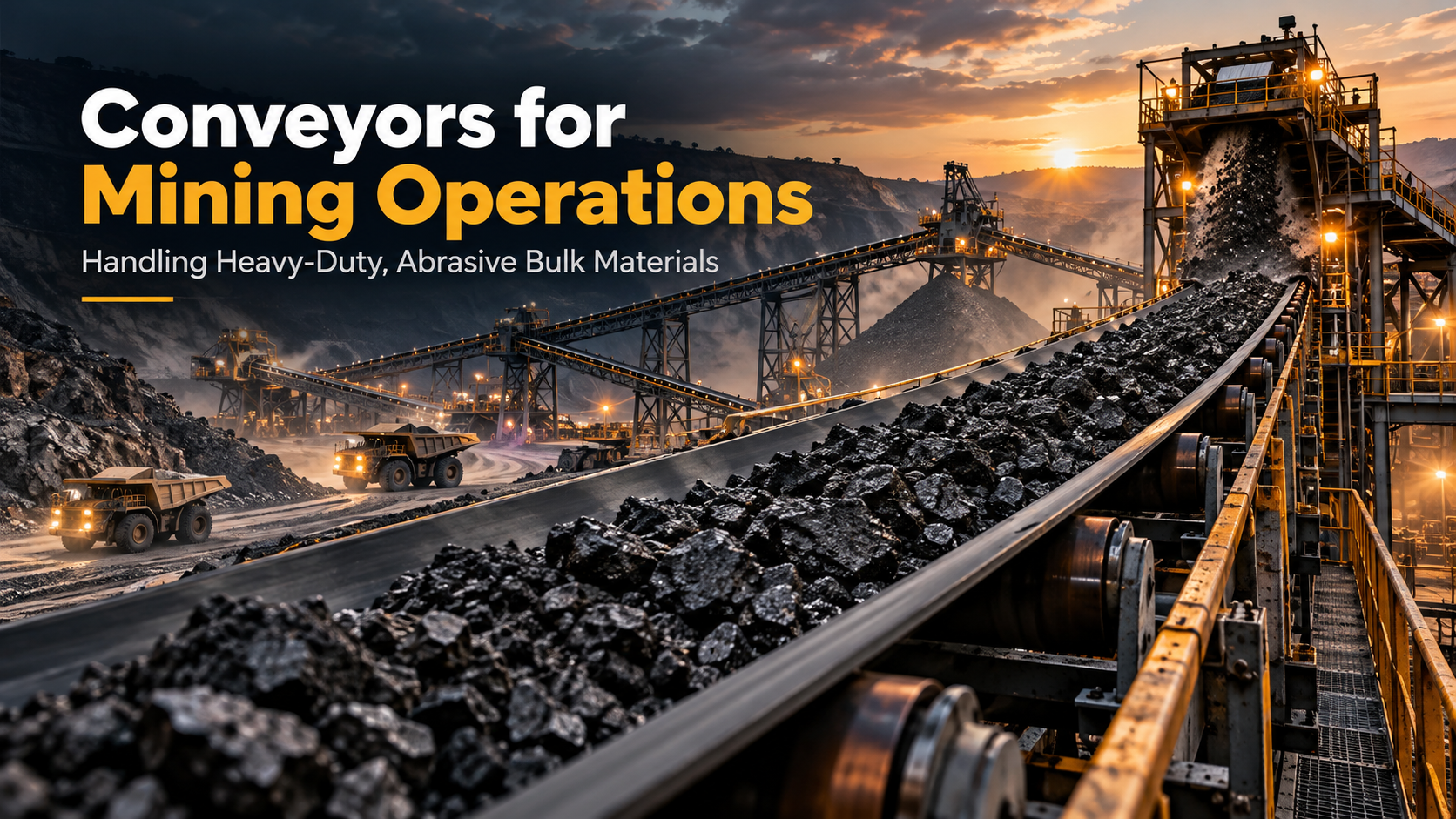
The success of mining operations is based on the ability to deliver a reliable material handling solution for moving bulky materials. The products of mining can be heavy and abrasive, making them difficult to transport. Therefore, selecting the proper conveyors for mining operations becomes critical when striving to increase efficiency by minimizing equipment wear and maintenance expenses.
Properly designed conveyor systems allow reliable transportation of bulk materials from one process point to another. When designing a conveyor system for mining applications, its characteristics are taken into account.
Why Mining Operations Need Heavy-Duty Conveyors
The conveyance of minerals can pose challenges for the conveying equipment itself. The abrasive nature of the minerals can cause wear on the equipment, while heavy loads can impose strain on chains, belts, bearings, drives, and structural elements.
Additionally, there are vast differences between material types. Coal is abrasive, but aggregates, minerals, gravel, and other mining products are heavy and large in particle size. Resources provided by Conveyors Inc. indicate different abrasiveness and flow properties that could be used when designing conveyors.
This makes it crucial to conduct application-specific engineering. Instead of choosing equipment according to its capacity, mining industry users must take into consideration mineral density, size of the particles, abrasiveness, moisture, flow properties, length of the conveying, and elevation.
Selecting the Right Mine Conveyor
Depending on the needs of the situation, a mine conveyor may have several different options to choose from.
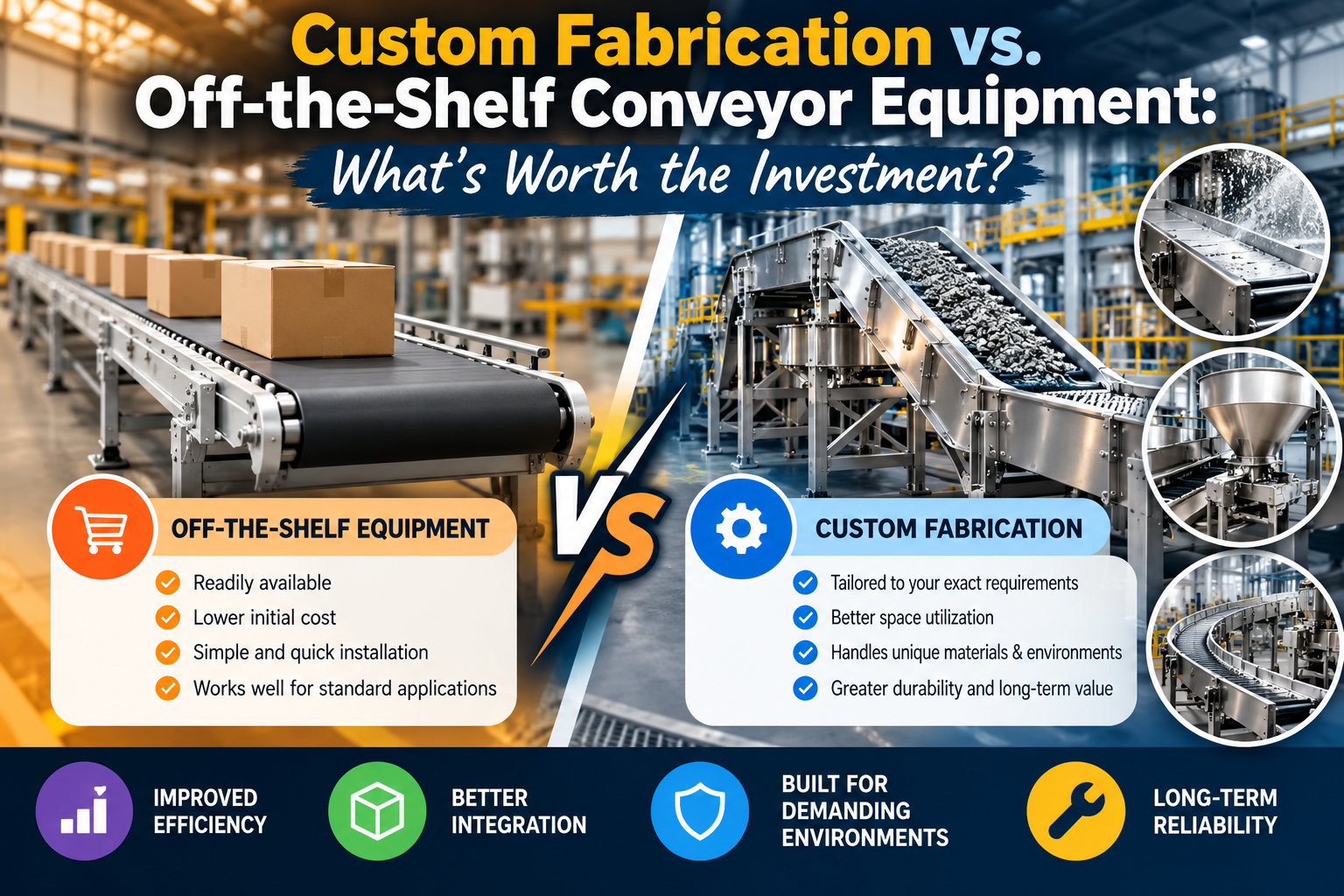
In most cases where there is a need to transport large amounts of materials over long distances, belt conveyors may prove quite useful due to their continuous conveying method.
Drag conveyors come in handy when there is a need for heavy-duty and enclosed transportation of bulk materials. This type of conveyor makes use of chains and flights to move the material through a housing. It can be engineered to meet the demands of materials such as coal, aggregates, minerals, and industrial wastes.
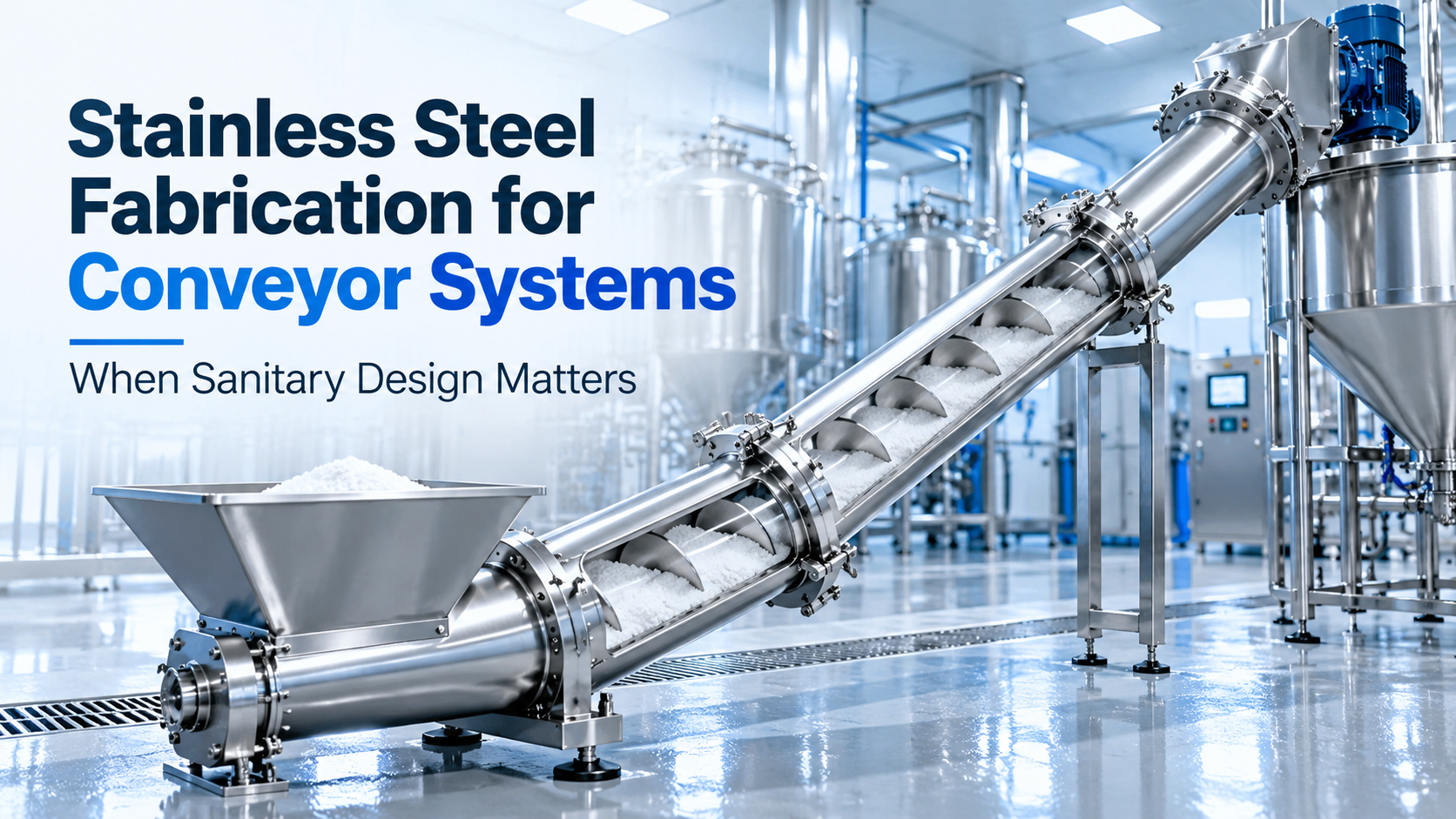
The other option available is screw conveyors, which can be used to meter material as well as move bulk materials. With the use of its enclosed construction, there will be minimal spillage and dust containment, and the user can choose between a variable pitch and a tapered flight screw.
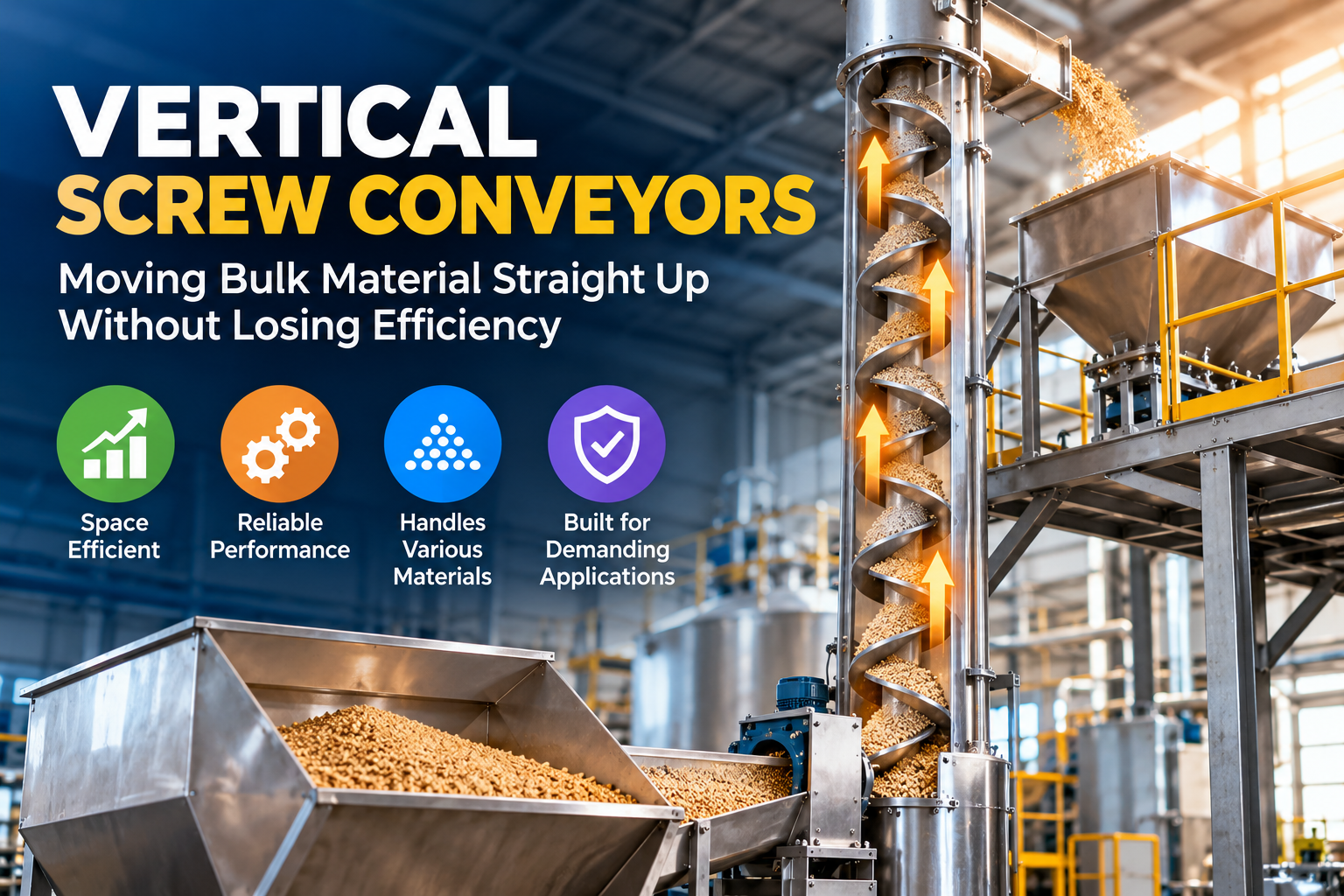
Bucket elevators can prove helpful when there is a need for transporting bulk materials vertically while utilizing the least amount of floor space.
Managing Abrasive Bulk Materials
Abrasion is one of the biggest challenges in mining material handling. Repeated contact between abrasive particles and conveyor components can contribute to premature wear. Equipment must therefore be designed with the material's properties in mind.
Heavy-duty dry bulk handling equipment should account for factors such as material abrasiveness, density, particle size, temperature, moisture, and flowability. Conveyor construction, component selection, drive configuration, and system layout can all influence service life and operating performance.
Conveyors Inc. offers CEMA-standard industrial conveyors as well as custom-built equipment designed for severe-duty applications. Its product range includes belt conveyors, drag conveyors, screw conveyors, bucket elevators, shaftless conveyors, and complete material-handling systems.
Benefits of an Integrated Conveyor System
Mining facilities often involve multiple stages of material movement. Raw material may need to travel from an intake point to a processing system, then to storage or another downstream operation. Using individually selected equipment without considering the entire process can create alignment, transfer, capacity, and maintenance challenges.
An integrated approach can help address these issues. Conveyors Inc. designs complete bulk material handling systems that can combine multiple conveying systems with hoppers, bins, chutes, transitions, and automated gates. This allows the equipment to be designed around the facility's layout and material-flow requirements.
A well-designed system can also simplify installation and provide better coordination between individual components.
Designing Mining Conveyors for Long-Term Performance
The optimum conveyor system begins with knowing the application. The mining company must give comprehensive details regarding the material handled, the capacity required, the length of the conveyor system, layout, operation, and configuration.
Conveyors Inc. offers design sheets for equipment like belt conveyors and drag conveyors, which enable essential specifications such as material, capacity, conveyor size, speed, and layout to be considered in the design phase.
The application-based approach is particularly beneficial in mining, where materials and operation may vary greatly between sites.
Conclusion
Mine conveyor systems must have conveying systems that can cope with difficult materials each day. Appropriate mining conveyors can facilitate the efficient transport of abrasives while ensuring effective production and proper maintenance.
Regardless of whether the design requires long-distance conveyors, enclosed heavy-duty conveyors, controlled screw conveyors, or combinations of all, the right equipment must be designed based on the material involved.
With
a wide array of custom bulk material handling systems and different conveyor
types, Conveyors Inc. can assist mining and mineral processing facilities with
designing their own equipment for difficult applications.
Need a conveyor system for a difficult mine application? Talk to Conveyors Inc. about your material, capacity, layout, and other design needs.